
Materialhonesty.It endures.
Where ancient craft meets the forest it came from. Nothing here aspires to decoration. Everything is what it is — and nothing else.
What we decided
before we began.
Use only what is already here
Every material at Mori was quarried, felled, or gathered within four kilometres of this site. If the mountain did not provide it, we did not use it.
Show what things are made of
No surface is painted, laminated, or concealed. Cedar shows its grain. Stone shows its fracture plane. Concrete shows the cedar planks it was poured against.
Frame the view, not the room
Shakkei — borrowed landscape. Every window, every door, every gap between materials was positioned to frame sky, forest, or water. The outside completes the inside.
Let the imperfect remain
Nothing here is finished in the conventional sense. Moss grows where it wishes. Cracks are left to widen. The patina of seasons accumulates without interruption.
Quiet is a design decision
The building is oriented away from all roads. No artificial sound enters the guest rooms. Natural acoustics — water, wind, and forest — are the only soundtrack.
The materials,
as they are.
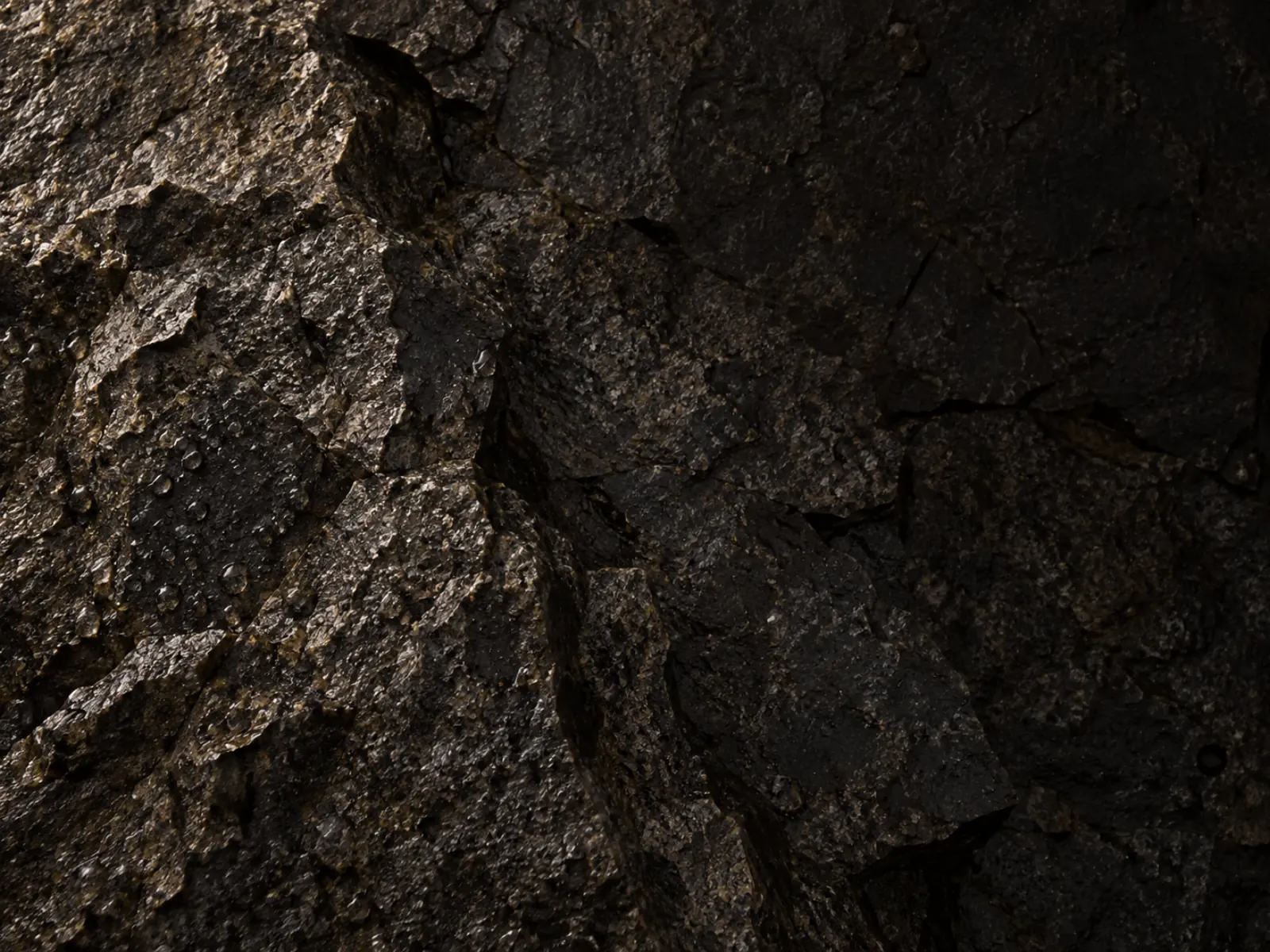
Volcanic Basalt
The darkest stone on the mountain surface. Each block was split by hand along its natural fracture lines — never by machine. Under raking light you can see the crystalline mineral structure where the rock cooled half a million years ago.
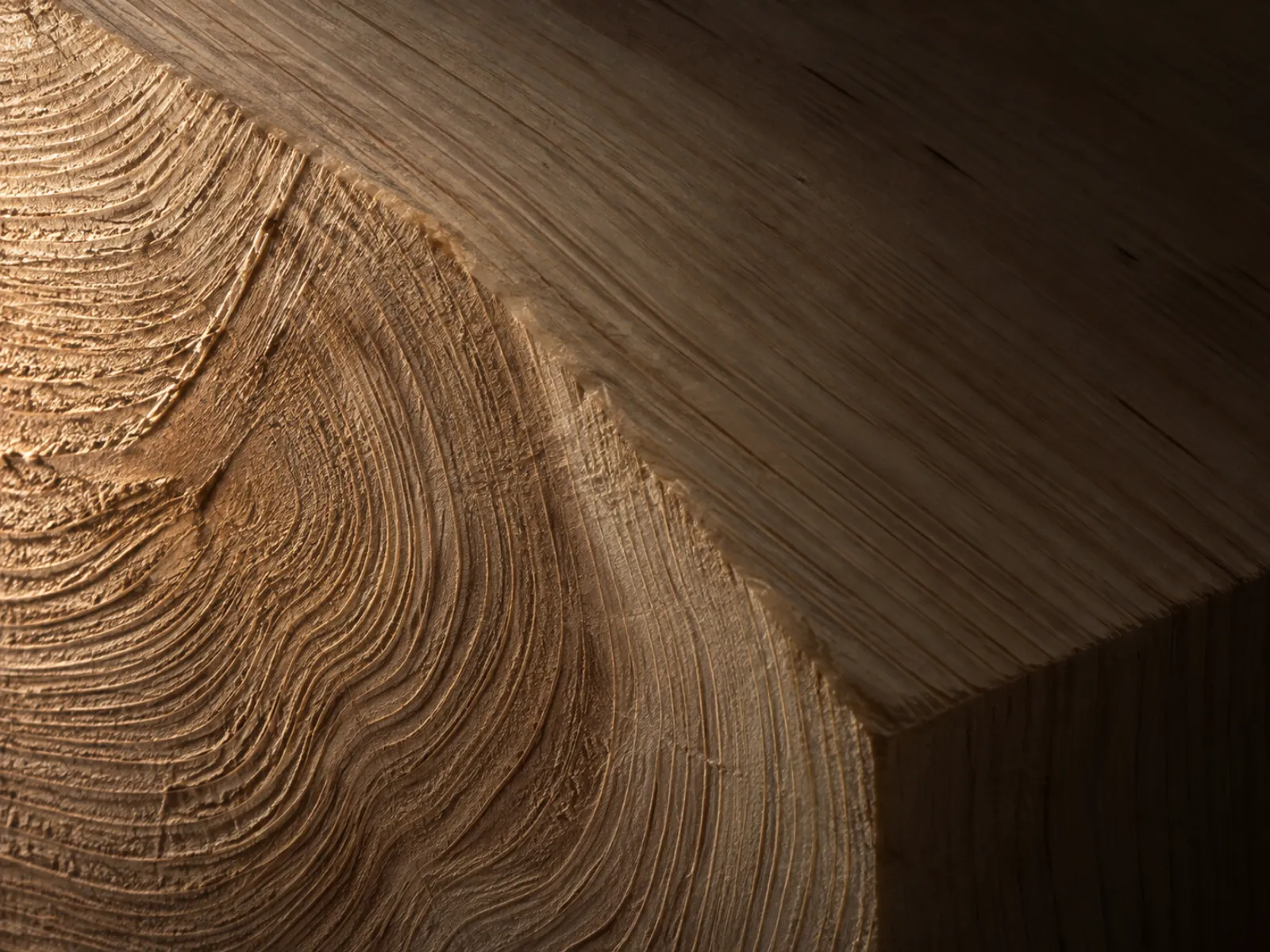
Hinoki Cedar
Slow-growth hinoki from the north face of the slope, where less sunlight produces a finer, tighter grain. Left completely untreated — its natural terpene oils repel moisture and insects naturally, and release gradually as a warm, clean scent.
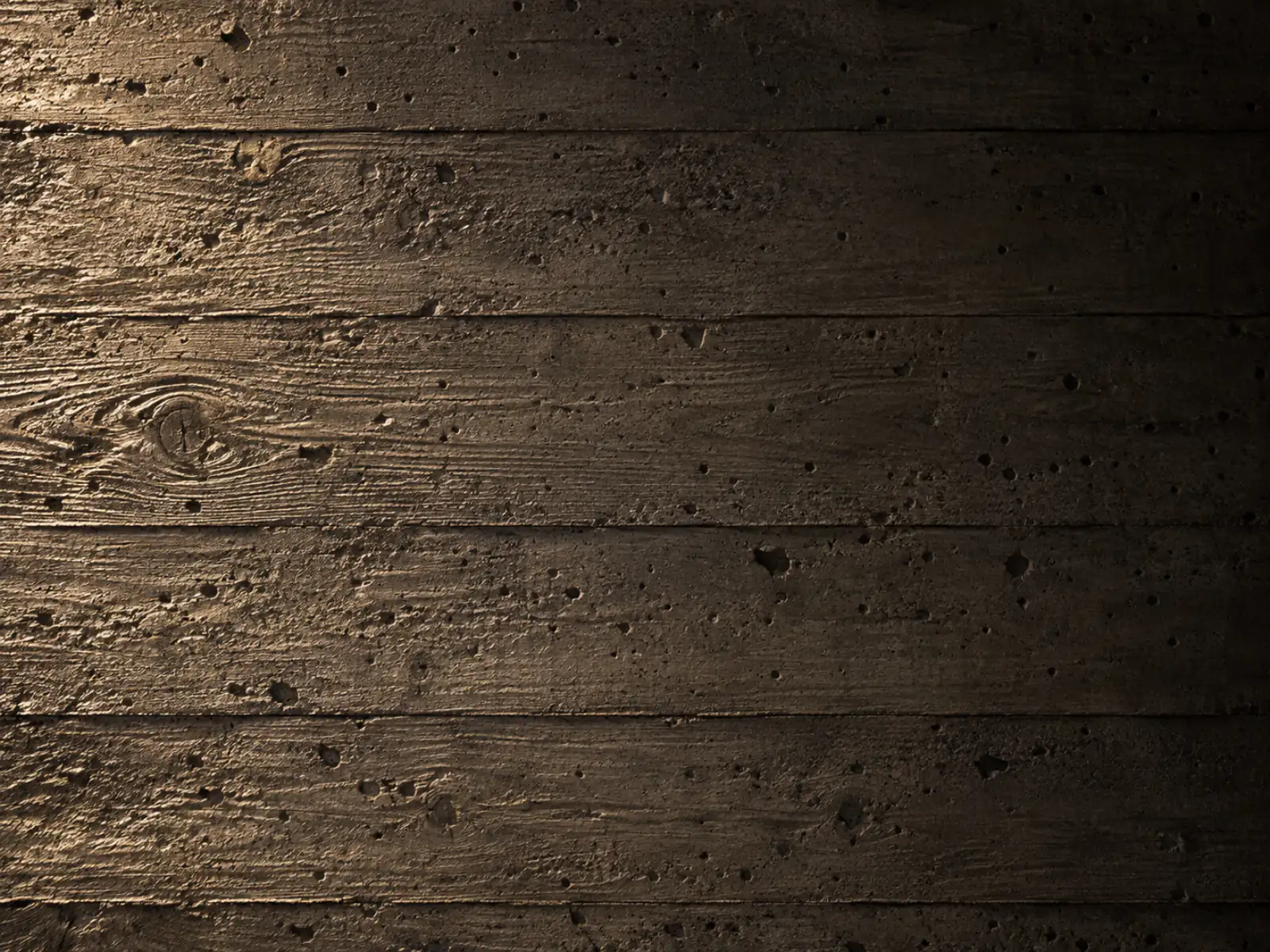
Board-Formed Concrete
The formwork was made from the same cedar planks used throughout the building. When stripped away after curing, the wood grain had pressed permanently into the concrete face. Every room carries the ghost of the forest it was built beside.
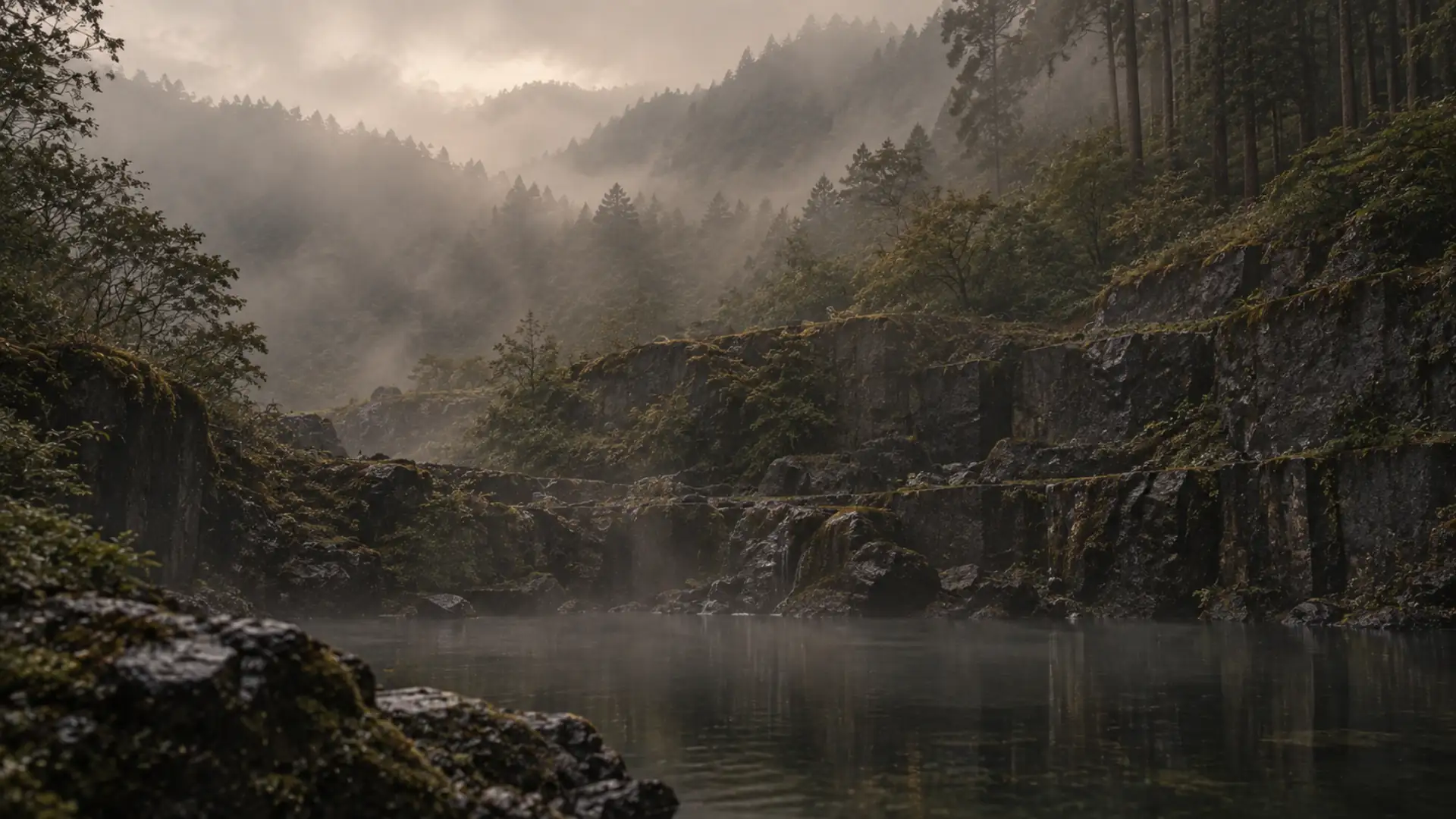
Grown from
the mountain itself.
In 2019, an architect and a tea master purchased an abandoned quarry on the volcanic slopes of Hakone. They had one rule: use only what the site already contained. No material would be imported. No decorator would be engaged.
The moss on the outer walls arrived uninvited in the second year. It stayed. The building itself took three years and six local craftsmen to complete — a carpenter, a stonemason, a potter, a gardener, and two builders who refused to retire.
"The mountain had already made the interior. We just removed what was covering it."
— Founding Architect, 2019
The Name
森 (Mori) means forest. Not the manicured forest of a park, but the ancient cedar slope that grows without instruction — shaped by seasons, soil, and time.